
Fifty years ago, a worn-out Virginia hillside could scarcely feed ten cows. Today, that same acreage — never trucked in with outside topsoil, never rebuilt with a bulldozer — feeds a hundred.4 The land didn’t change because someone dominated it into submission. It changed because someone stewarded it back to life.
That hillside belongs to Joel Salatin, the farmer behind Polyface Farm who has become famous — and, in his own words, a little infamous — for arguing that the most radical thing a person can do with land is simply care for it the way its Maker designed it to be cared for. “That ought to be our stewardship mandate,” Salatin has said, “to create Edens wherever we go.”4 It’s a striking claim: that ordinary dirt, rightly tended, can become something like paradise regained.
If that sounds like theology dressed up as agronomy, that’s because it is — and the science backs it up. For Christians who care about creation care, food systems, or simply what it means to steward the land God has entrusted to us, regenerative agriculture offers a compelling case study, one where hard science and biblical theology arrive at the same place from two completely different roads.
This article traces that convergence: what regenerative agriculture teaches us about soil, what Scripture teaches us about dominion, and what practical steps any grower — from a backyard gardener to a working farmer — can take to put both into practice.
Soil as the Foundation: Why Cover and Biology Matter More Than Chemistry
Modern industrial agriculture tends to treat soil as an inert medium — a substrate to be dosed with the right chemical inputs to produce a yield. Regenerative agriculture starts from the opposite premise: soil is alive, and its fertility depends on the health of the biological community living within it.
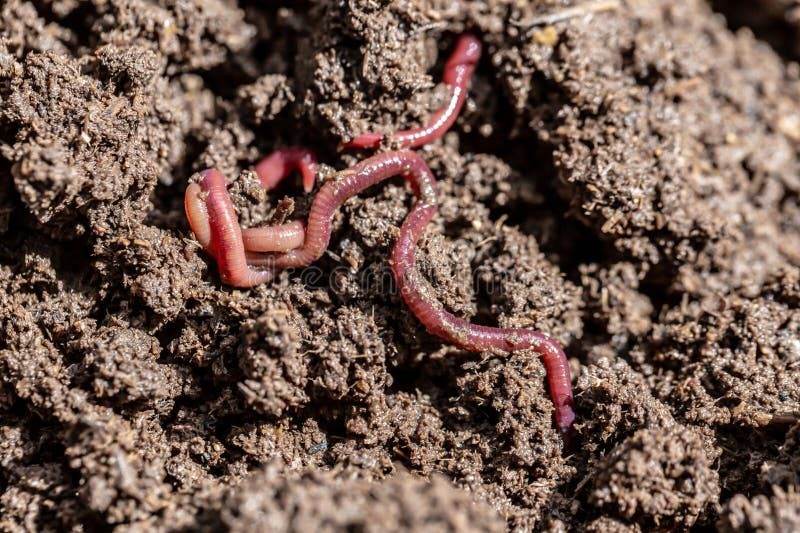
Earthworms are a good place to start, because they are more than a garden curiosity — they are ecosystem engineers. Research shows that certain earthworm species dig vertical burrows that can exceed 5 millimeters in diameter and reach depths of nearly two meters, and these burrows become the primary channels through which water moves through the soil profile.3 A soil full of active earthworms is, quite literally, a soil built for water infiltration and root penetration.
Keeping the ground covered matters just as much. Bare soil erodes, bakes, and loses biological activity, while continuous cover — whether living plants or crop residue — protects the surface and feeds the organisms below it. Studies on no-till systems with cover crops show near-surface soil organic carbon can increase by 20 to 30 percent compared to bare or conventionally tilled ground, which in turn improves how well the soil holds together and resists compaction.2 This is the scientific logic behind Salatin's model at Polyface Farm, where instead of leaning on synthetic fertilizer, the farm rebuilds fertility through heavy composting and careful attention to natural water flow — restoring land that had been depleted by decades of erosion.5
Starting Small: Cover Crops, Compost, and Grazing That Mimics Nature
One of the most freeing aspects of regenerative agriculture is that it doesn't require an industrial-scale capital investment to begin. It requires imitation of patterns already built into creation.
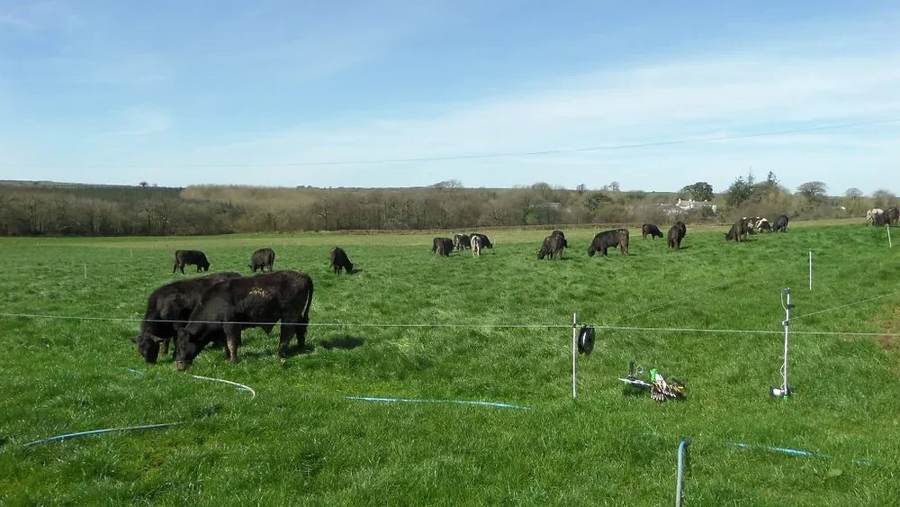
Consider how wild ruminants have always grazed: in tight, dense herds, moving constantly to escape predators and find fresh ground, never lingering long enough to overgraze any one spot. Adaptive Multi-Paddock grazing, sometimes called AMP or intensive rotational grazing, deliberately mimics this pattern by confining livestock to small paddocks for short, intensive periods before moving them on and giving the land extended rest. Research on this whole-system approach shows it restores soil function, reduces greenhouse gas emissions, and significantly cuts nutrient loss compared to continuous, unmanaged grazing.6
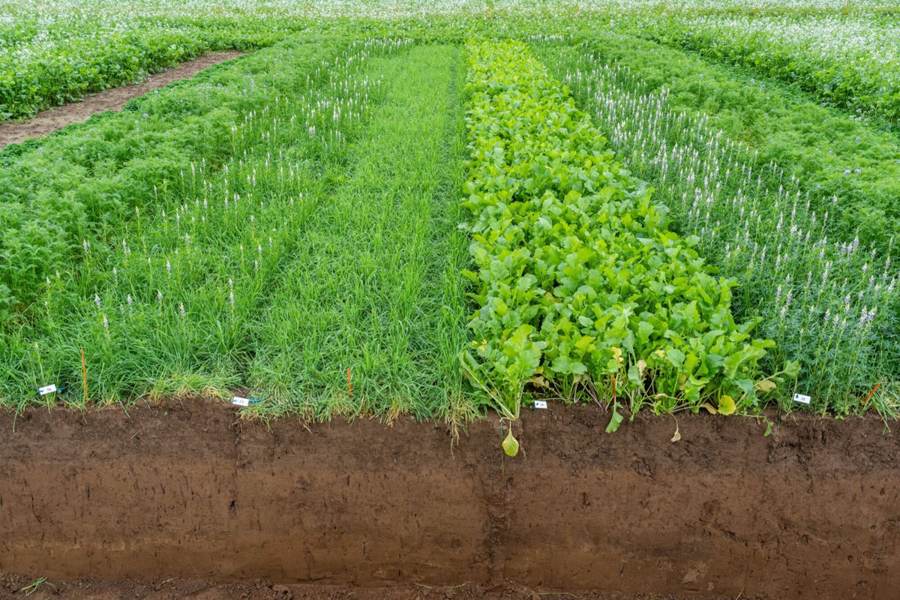
The same biomimicry shows up in cover cropping. Rather than a single-species cover crop, regenerative growers advocate for multi-species “cocktails” that mirror the biodiversity of a natural ecosystem. These diverse plantings deposit a wider variety of root exudates into the soil, feed a more diverse microbiome, cycle nitrogen more effectively, and reduce soil bulk density — making the ground less prone to compaction.
Salatin's own counsel to beginning farmers, laid out in his book You Can Farm, is to start on a shoestring and let one enterprise's waste become another's asset — pastured poultry following cattle through a pasture, for instance, scratching through manure and adding their own fertility in the process.5 The principle scales down as easily as it scales up: a backyard gardener composting kitchen scraps and rotating cover crops through raised beds is practicing the same fundamental logic as a five-hundred-acre regenerative operation.
The Biblical Tie-In: Dominion as Cultivation, Not Domination
None of this is only agronomy. It is also, whether farmers articulate it this way or not, a working-out of biblical theology.
Genesis 1:26–28 gives humanity dominion (radah) over creation — a mandate that has too often been read as license for exploitation. But careful scholarship on the ancient Near Eastern context of this word shows that royal dominion language implied a covenantal responsibility to protect and govern justly, closer to a shepherd-king's care for his people than a tyrant's extraction of resources for his own gain.1 Dominion, rightly understood, is a form of guardianship, not domination.
Genesis 2:15 sharpens the picture further. There, humanity is placed in the garden to abad — to work or cultivate — and to shamar — to keep, guard, and protect. Together these two verbs describe a posture toward creation that is neither passive nor extractive, but actively generative: the human calling is to maintain and even enhance the inherent goodness of what God has made, not strip it for short-term gain.
This is precisely what regenerative agriculture attempts to do in agronomic terms. When a grower plants a cover crop instead of leaving soil bare, mimics natural grazing patterns instead of overgrazing a single pasture, or builds compost instead of relying solely on synthetic inputs, they are practicing abad and shamar — cultivating and keeping — rather than merely conquering the land for this season's yield.
A Practical Action Plan for Growers of Any Scale
Whatever the size of your growing operation, the path toward more biblically and ecologically faithful soil stewardship follows a similar sequence:
- Start with a baseline. Before changing anything, assess your soil's current organic matter percentage and biological activity. You cannot steward well what you haven't first observed.
- Cover the ground, always. Whether through a diverse cover crop mix, mulch, or living plant residue, never leave soil bare longer than necessary. Bare ground is soil left unprotected and unkept.
- Practice small-scale rotational grazing, if livestock are part of your operation. Confine animals to small paddocks using temporary fencing for short, intensive grazing periods, then rest that ground for an extended stretch — mimicking the migratory pattern of wild herds.
- Use carbon-heavy mulch, like wood chips, on bare or struggling soil. This retains moisture, protects biology from temperature extremes, and helps shift the soil ecosystem toward the fungal dominance that healthy, undisturbed soils tend to favor.
- Let one enterprise feed another. If you're running a diversified operation, look for ways one part's “waste” — manure, crop residue, spent bedding — becomes another part's fertility input, rather than treating waste as something to dispose of.
Measuring Success Without a Lab
You don't need an expensive soil lab to know whether these practices are working. Two visible, low-cost field indicators tell you most of what you need to know:
- Earthworm counts. Because earthworms are highly sensitive to tillage, compaction, and chemical inputs, a rising earthworm population is one of the most reliable signs that your soil food web is recovering.
- Water infiltration rate. Time how quickly water soaks into your soil after a rain or a simple infiltration test. Regenerative practices — cover crops paired with active earthworm populations — have been shown to increase cumulative water infiltration substantially compared to conventional, bare-soil systems, which means less runoff, less erosion, and a farm or garden that holds up far better during drought.3
Conclusion: Cultivating Instead of Conquering
Regenerative agriculture and biblical stewardship arrive at the same conclusion from different starting points. The scientist studying earthworm macropores and soil organic carbon, and the theologian studying abad and shamar in Genesis 2, are both describing what it looks like to care for something living rather than merely use it up. Dominion was always meant to look like cultivation, not conquest. Whether you're managing a five-hundred-acre farm or a raised garden bed in your backyard, the same call applies — dress it, and keep it.